
When Should You Replace Modular Stand Graphics?
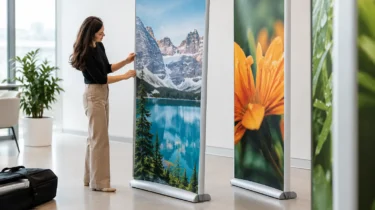
A modular stand frame can serve your exhibition programme for years, but the graphics carry the part visitors actually see. Knowing when to replace modular stand graphics prevents a tired-looking space, avoids last-minute print decisions and helps you retain the value of reusable hardware. The right time is not always when a panel is visibly damaged. A new campaign, revised messaging or a different stand footprint can be just as strong a reason to refresh it.
Why replacement graphics are a practical investment
Modular systems, including T3 stands, are designed to be reconfigured and used repeatedly. That makes them a sensible long-term choice for businesses attending several exhibitions, conferences or roadshows each year. Rather than commissioning a complete new stand for every event, you can retain the aluminium framework and update the branded surfaces to suit the audience, campaign or venue.
This approach reduces waste and makes better use of the original investment, but only if the graphics remain fit for purpose. Scuffed panels, stretched fabric, curling edges, faded colours and outdated copy can undermine an otherwise well-built stand. Visitors may not know why a display feels dated, but they will notice when the finish does not match the standard of your product or service.
Replacement graphics also give marketing teams more freedom. A product launch may need a different message from a lead-generation exhibition. A national conference may call for a broader brand story, while a sector-specific event needs more technical detail. Reusable stand hardware allows those changes without starting from scratch.
Signs it is time to replace modular stand graphics
The clearest reason to replace graphics is physical wear. Printed panels and tension-fabric skins are built for event use, but repeated packing, transport, installation and storage eventually take their toll. Look closely under exhibition lighting, not only in the office. Fine scratches, dents, marks around fixing points and colour variation can be more obvious on a brightly lit stand floor.
Brand changes are another decisive trigger. If your logo, colour palette, fonts, imagery, website address or product naming has changed, old graphics should not remain in circulation simply because they are still structurally sound. Inconsistent branding across events can create confusion and weakens the polished presence your team has worked to achieve.
Messaging dates faster than many businesses expect. Claims may no longer be accurate, product ranges may have developed, or a former campaign may no longer reflect current priorities. Check every headline, statistic, QR code, contact detail and legal statement before reusing a graphic. A stand can look visually fresh while sending visitors to an obsolete landing page or presenting a service you no longer offer.
There is also a strategic reason to update. If the stand has not generated the conversations or leads you expected, the issue may not be the system itself. Revising the hierarchy of messages, using stronger imagery or allowing more open space can make the stand easier to understand from the aisle. Replacement graphics are an opportunity to improve performance, not merely restore appearance.
Start with the frame, footprint and fixing method
Before artwork is designed, identify exactly what needs replacing. Modular stands can use rigid graphic boards, magnetic panels, direct-to-frame prints, tension-fabric covers or a combination of these. Each option has different measurements, finishing requirements and fitting methods. Supplying artwork to the wrong dimensions is an avoidable source of delay and unnecessary cost.
Confirm the stand system, frame sizes and configuration planned for the event. A graphic that worked on a three-metre back wall may not suit a corner plot, a taller structure or a layout with a meeting area and store. If you are changing the stand shape, plan the graphics alongside the revised design rather than attempting to adapt existing files at the final stage.
Photographs of the erected stand, previous artwork files and any panel schedules are useful starting points. Where those are unavailable, a site survey or careful measurement of the framework provides a dependable basis for production. It is particularly important to check door openings, returns, overhead sections, counters and areas where electrics or screens will be incorporated.
Consider how often the message will change
For fast-moving campaigns, tension-fabric graphics can be a practical option. They are lightweight, pack down efficiently and can create a clean, continuous branded surface. Rigid boards may be better suited to certain modular configurations, high-contact areas or display sections that require a firmer finish. The right choice depends on the stand, transport plan, event frequency and how often the artwork is likely to change.
It is worth separating evergreen branding from campaign-specific content. Keep core brand panels reusable where possible, then replace selected product, event or call-to-action graphics as required. This can control costs without making the stand look pieced together. The visual system still needs to feel deliberate, with consistent colours, materials and alignment.
Prepare artwork for large-format print, not just a screen
A successful graphic begins with artwork that has been checked for print production. A design that appears sharp on a laptop may reveal low-resolution images, thin text or unsuitable colour values when enlarged across a wall. Logos should be supplied in suitable vector format wherever possible, while photographs need enough resolution at their final printed size.
Keep essential copy away from edges, frame joins, doors and panel breaks. The same applies to faces in photography, product shots and QR codes. If a person’s face sits across a join or a fixing point, the finished result can look compromised even when the printing is accurate. A production proof should show trim, bleed, safe areas and any points where graphics meet hardware.
Colour management deserves particular attention for established brands. Printed colour is affected by the substrate, ink, lighting and artwork profile. If a precise corporate shade is critical, discuss expectations before full production. A colour that looks correct beneath warehouse lighting can appear different under bright exhibition hall LEDs, so choosing materials and finishes with the event environment in mind matters.
Do not overload every surface with copy. Visitors often see a stand while walking past, from several metres away, with many competing displays nearby. Your primary message should work at distance. Supporting details can sit closer to product demonstrations, counters or meeting areas where visitors have already chosen to engage.
Plan replacement graphics around the event timetable
Graphics should be scheduled as part of the wider exhibition plan, alongside space-only stand approval, electrics, flooring, internet, furniture and logistics. Leaving them until the final week increases the risk of rushed approvals, courier pressure and fewer options if measurements or artwork need correction.
Allow time for stand planning, artwork development, proofing, print production and fitting. For a busy exhibition period, build in additional contingency for venue delivery rules, timed access slots and the availability of installation teams. If graphics are being transported with the frame, confirm the correct protective packaging and labelling. A pristine print is of little use if it arrives creased, scratched or separated from the hardware it fits.
For larger or more complex stands, installation should be considered before printing begins. A planned build sequence helps ensure panels are fitted in the right order and that no graphic needs to be removed to access cables, storage areas or lighting. It also gives the team a clear route for resolving any issue before the venue opens to exhibitors.
Trade Show Solutions can coordinate replacement graphics with the practical elements that often sit around them, from stand reconfiguration and print production to installation, risk assessments and method statements. Having the display and delivery requirements considered together reduces the handovers that can cause problems on site.
Protect graphics between events
Replacement does not need to become an annual default. With sensible handling and storage, quality graphics can remain presentable across multiple events. Clean hands during fitting, suitable transit cases and dry, temperature-stable storage all make a difference. Fabric graphics should be folded or packed as recommended for their material, while rigid panels need protection between faces and around corners.
After each event, inspect the graphics before they go into storage. Record damage, missing fixings and panels that are nearing the end of their useful life. This is far easier than discovering a problem during the next build. Keeping a simple inventory with photographs, dimensions and the event where each item was last used also helps marketing and events teams make quicker decisions.
If a graphic is still in good condition but no longer appropriate for public use, do not assume it must be disposed of immediately. It may still have a role for internal events, training environments or temporary back-of-house use. The decision should be based on brand relevance, condition and whether it can be used without causing confusion.
A well-maintained modular frame gives you flexibility. Well-planned replacement graphics give that flexibility a clear commercial purpose: the right message, in the right configuration, ready when the doors open.