
T3 Modular Exhibition Stands for Growing Events
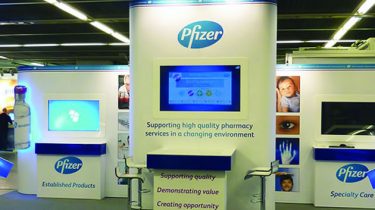
A stand that works at one exhibition but cannot adapt for the next is an expensive short-term answer. T3 modular exhibition stands give exhibitors a more practical option: a reusable, tool-free framework that can be configured around different floorplans, objectives and budgets while maintaining a consistent brand presence.
For businesses attending multiple trade shows, conferences, roadshows or product launches, that flexibility matters. A 3m x 3m shell-scheme space may need a straightforward branded backdrop and counter. The following month, the same system could form a larger open stand with meeting areas, storage and product display. Rather than beginning again with every event, you can retain the hardware and invest where it will be seen – in fresh graphics, relevant messaging and a well-planned visitor experience.
What makes T3 modular exhibition stands different?
T3 is an aluminium modular display system built around precision-engineered connectors and frames. The components lock together without conventional tools, allowing structures to be assembled efficiently and reconfigured without compromising the clean, professional finish expected from a custom-built stand.
The value is not simply that the system is reusable. It is that the same set of components can serve different purposes over its working life. Uprights, beams, connectors, graphic panels, doors, shelves and lighting can be specified to create anything from a compact promotional space to a substantial exhibition environment.
This makes T3 particularly suitable for organisations with an active event calendar. It supports planned growth without forcing a business to commit immediately to a fixed stand design that only fits one venue or one show.
A premium structure without a one-off build
Traditional bespoke stands can make a strong impact, especially where a single major exhibition demands an entirely individual design. However, they can also involve one-off materials, more complex construction and a higher level of waste after the event.
A T3 system offers a different balance. It creates a structured, polished environment while preserving the ability to reuse the frame. Printed graphics can be changed for a new campaign, sector or product launch without replacing the full stand. That can make budget planning more predictable across a programme of events.
It is not always the right choice. If a stand requires highly sculptural forms, unusual overhead features or a design that will never be used again, a fully bespoke build may be more appropriate. For brands that need adaptable layouts and controlled repeat costs, modular construction is often the stronger commercial option.
Planning the right T3 stand configuration
The best modular stand begins with the event plan, not the frame size. Before selecting components, consider where the stand will be positioned, how visitors will enter and move through the space, what conversations the sales team needs to have and how much equipment must be stored out of sight.
A corner pitch, island site and shell-scheme stand each create different opportunities. An open island stand can benefit from multiple access points and high-level branding visible from several aisles. A smaller shell-scheme space may need a clear back wall, one focused message and a counter placed to start conversations without blocking the entrance.
The practical requirements deserve the same attention as the visual design. Screens, product demonstrations, hospitality equipment and illuminated graphics all affect the need for electrics. Meeting furniture may influence flooring choices. A lead-capture system or live demonstration may require a reliable internet connection. These are venue services that need to be booked, confirmed and built into the plan early.
Graphics should do a specific job
Modular hardware provides the structure; graphics give the stand its reason to stop. Large-format printed panels or fabric graphics should be legible from the aisle and support the sales conversation once visitors arrive.
Avoid trying to put every service, product feature and proof point on a single wall. At exhibition distance, a clear proposition, strong visual and recognisable brand treatment will generally work harder than dense copy. Product detail can then sit on a screen, brochure rack, counter graphic or more focused display area.
Because T3 graphics can be replaced independently of the main framework, teams can tailor a stand to the audience at each event. A campaign for healthcare buyers may need different imagery and messages from one aimed at construction, technology or professional services, even when the physical footprint remains similar.
Reusability only works when logistics are planned
A modular exhibition stand delivers its full value when it is properly managed between events. Components need to be packed, transported, checked and stored so they are ready for the next installation. Graphics should be protected from damage, and an agreed inventory prevents avoidable surprises when a layout changes.
For occasional exhibitors, self-build can be a sensible way to keep costs down, particularly with a smaller, straightforward configuration. The tool-free nature of T3 makes this more accessible than many conventional systems. Even then, someone still needs to understand the build sequence, work safely within the venue timetable and ensure the finished stand matches the approved plan.
For larger spaces, tight build windows or repeat national events, professional installation removes a significant operational burden. A managed supplier can coordinate delivery, build, graphics fitting, venue access and dismantling, leaving the exhibitor’s team free to prepare for the people they are there to meet.
Trade Show Solutions can combine the T3 structure with print production, signage, counters, display accessories and on-site installation, so the stand is managed as one working environment rather than a collection of separate orders.
Venue compliance is part of the stand, not an afterthought
Exhibition halls operate to strict rules for good reason. Depending on the venue and stand design, exhibitors may need risk assessments, method statements, electrical information, insurance evidence, floor loading details or approval for particular features.
A modular system can make construction more predictable, but it does not remove those obligations. Raised floors, enclosed spaces, suspended elements, lighting, storage, cooking equipment and complex electrical requirements can all introduce additional checks. Deadlines for service orders and stand plans are often well ahead of the event opening date.
This is where early coordination pays off. The stand design should account for cable routes, electrical positions, access for build teams and any venue-specific restrictions before graphics are printed or transport is booked. Correct paperwork and clear communication reduce the risk of late changes, additional charges or an installation team waiting on site for missing approvals.
Where T3 works especially well
T3 modular exhibition stands are well suited to businesses that need more than a portable banner but do not want to commission a new stand from scratch for every show. They work particularly well for growing brands moving from shell-scheme exhibiting into larger spaces, established exhibitors with varying stand footprints, and organisations running roadshows or regional activations.
They are also effective where a stand needs to carry several functions at once. A structured back wall can support large branding and a screen; return walls can define a meeting area; a lockable store can keep literature and personal items tidy; counters and display shelves can bring products into the visitor journey. The result can feel purposeful rather than improvised, even within a modest footprint.
Portability should be judged realistically. T3 is designed for transport and reuse, but a sizeable configuration still requires suitable cases, careful handling and a sensible delivery plan. The right answer depends on the stand size, event frequency, travel distances and whether the client team or an installation crew will manage each build.
Build for the next event as well as this one
The strongest T3 project is not designed around a single exhibition date. It starts with a core configuration that answers the immediate brief, then considers how the hardware can be redeployed. That may mean choosing frame sizes that can extend into a larger wall, retaining interchangeable graphic positions, or allowing space for future lighting, shelving and meeting areas.
This approach does not mean every stand has to look identical. It means the investment in the structure continues to support new campaigns, new venues and new commercial priorities. With sound planning, the stand becomes a reliable part of the event programme – ready to change when the brief changes, while keeping the practical work of exhibiting under control.