
What Is a Method Statement for an Exhibition?
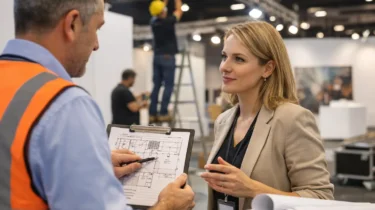
A venue has approved your stand space, the graphics are ready and the event date is approaching. Then the organiser asks for a RAMS pack, including a method statement. The search term “what is a method statement exhibition” usually comes from this exact point: an exhibitor needs to know what the document is, who should write it and whether it applies to their particular build.
A method statement is a clear, site-specific description of how work will be completed safely. For an exhibition, it explains the planned sequence for delivering, building, adjusting and dismantling a stand or display. It works alongside a risk assessment, but it is not the same document. The risk assessment identifies potential hazards and the controls needed; the method statement sets out how the team will put those controls into practice.
For exhibitors, this is practical paperwork rather than a box-ticking exercise. A well-prepared method statement gives the venue, organiser and installation team confidence that the stand can be built without creating avoidable risk, delays or confusion on a busy show floor.
What is a method statement exhibition requirement?
An exhibition method statement is normally requested when a stand involves contractor work, a more involved build, equipment handling or activities beyond simply carrying in a portable display. It may cover a modular stand installation, large-format graphics, suspended elements, counters, flooring, electrical connections, AV equipment or bespoke signage.
Venues have to manage many suppliers working within a limited build-up period. Forklifts, lorries, rigging crews, electricians, shell-scheme contractors and exhibitors may all be operating at once. The organiser therefore needs to understand what each contractor is doing, when they are doing it, what equipment is involved and how risks will be controlled.
Requirements vary between venues and organisers. A small pop-up display installed by two members of staff may need little more than basic event documentation. A custom modular stand with raised flooring, electrics and an installation crew will usually require a fuller RAMS submission. Always check the exhibitor manual early, as some organisers specify their own templates, submission dates and insurance requirements.
What a good exhibition method statement includes
The document should be detailed enough for someone unfamiliar with your project to understand the work, without becoming a generic health-and-safety manual. It needs to match the actual stand, venue and installation plan.
Project and contractor details
Start with the event name, venue, stand number, build and breakdown dates, contractor contact details and the people responsible on site. Include the scope of work in plain terms, such as installing a T3 modular exhibition stand, fitting tension-fabric graphics, placing branded counters and coordinating electrical connections supplied by the venue.
This section should also identify who has authority to stop work if conditions become unsafe. Clear responsibility matters when timings are tight and several trades are working around the same footprint.
The build sequence
This is the core of the method statement. It describes the work in the order it will happen, from arrival through to final handover. For example, the team may sign in at the venue, attend the site induction, collect materials from the loading bay, move them to the stand using approved handling equipment, build the frame, fit graphics, install furniture and complete final checks.
Each stage should state the relevant controls. If heavy components are being moved, explain how they will be handled and by whom. If ladders are needed to fit high-level graphics, identify the type of access equipment, inspection arrangements and exclusion area. If venue electricians are connecting power, make it clear that the exhibition team will not interfere with the electrical supply.
The method should reflect the system being used. A reusable, tool-free modular frame may require a different installation process from a timber-built stand or a portable fabric display. This is one reason generic documents often fail venue checks: they do not show how the actual work will be carried out.
People, equipment and materials
List the installation team, their roles and relevant competence. This may include a site supervisor, stand installers, graphic fitters and any specialist contractors. If a task requires particular training, certification or experience, record it.
The method statement should name the equipment being brought on site, such as steps, trolleys, pallet trucks, cordless tools or lifting aids. It should also cover personal protective equipment appropriate to the task and venue rules. Hi-vis clothing and safety footwear are commonly required during build-up and breakdown, particularly near loading areas.
Materials matter too. If the stand includes printed panels, acrylic, DiBond, Foamex, flooring or fabric graphics, note how these will be transported, stored and handled to prevent damage or injury. Fire-rating information may be requested separately, especially for fabrics, carpets and decorative finishes.
Site controls and emergency arrangements
A useful method statement addresses the realities of a live venue. It should explain how the team will keep gangways clear, manage waste, protect neighbouring stands and avoid blocking emergency exits. It should confirm that work will stop if conditions change, such as an unsafe delivery route, damaged equipment or restricted access.
Include the venue emergency procedure, first-aid arrangements and reporting process for accidents or near misses. The document does not need to reproduce every venue policy, but it should show that the installation team will follow the organiser’s rules and site induction.
Method statement versus risk assessment
These documents are often submitted together as RAMS, meaning risk assessments and method statements. They are closely connected, but each serves a different purpose.
A risk assessment might identify manual handling as a hazard when moving stand components from the loading bay. It would assess who could be harmed and set out controls, such as using trolleys, planning the route, avoiding excessive loads and using two-person lifts where required.
The method statement then turns that control into a working procedure. It might state that materials will be unloaded into designated storage, moved by trained installers using a trolley, and only lifted manually when the load is within safe limits. It could also specify that the route will be checked for obstructions before movement begins.
Submitting one without the other can leave gaps. The risk assessment explains the risk; the method statement explains the safe system of work.
When exhibitors need one
Not every exhibitor will be asked for a method statement, but it is sensible to establish the requirement as soon as you book space. You are more likely to need one where the stand includes contractor installation, construction work, electrical or AV activity, heavy materials, work at height, complex logistics or a longer build period.
Even when a venue does not explicitly request a method statement, having a documented installation plan is useful. It helps coordinate arrivals, labour, stand components and service deadlines. It also reduces the chance that a key detail, such as a loading-slot booking or the need for venue-approved electrics, is discovered too late.
The right level of detail depends on the project. A compact tension-fabric backdrop and counter may have a short, straightforward method. A large modular environment with branded walls, meeting areas, flooring, signage and multiple services needs a more thorough plan.
Common mistakes that cause avoidable delays
The most common problem is submitting a generic document that refers to the wrong venue, stand or activity. Organisers can spot a copied template quickly, and they may reject it or request amendments during an already pressured build-up period.
Another issue is vague wording. Phrases such as “take care when lifting” do not explain the control being used. State the actual method: team lift, trolley, trained operator, designated route or approved access equipment.
It is also easy to overlook the wider logistics. A method statement should account for delivery timing, loading access, storage, waste removal and breakdown, not just the visible stand build. The stand may look simple once complete, but moving its components safely through a working venue can be the more demanding part of the job.
Finally, do not assume that a method statement replaces venue permissions. Electrical work, rigging, raised platforms, complex structures and certain materials may need separate approval. Check the exhibitor manual and technical order forms before committing to a design or build programme.
Making documentation part of the stand plan
The easiest way to manage method statements is to consider them while the stand is being planned, not after the graphics have gone to print. The proposed structure, access needs, floor finish, power location and installation sequence all affect the documentation.
Trade Show Solutions can coordinate stand planning, graphics, venue services, risk assessments, method statements and on-site installation as one managed delivery process. That approach keeps the document aligned with the stand being supplied and the work the team will actually undertake.
A method statement should not be the last obstacle before an event. Used properly, it is the working plan that helps your stand arrive, go up and come down with the same level of control as the brand experience your visitors see.